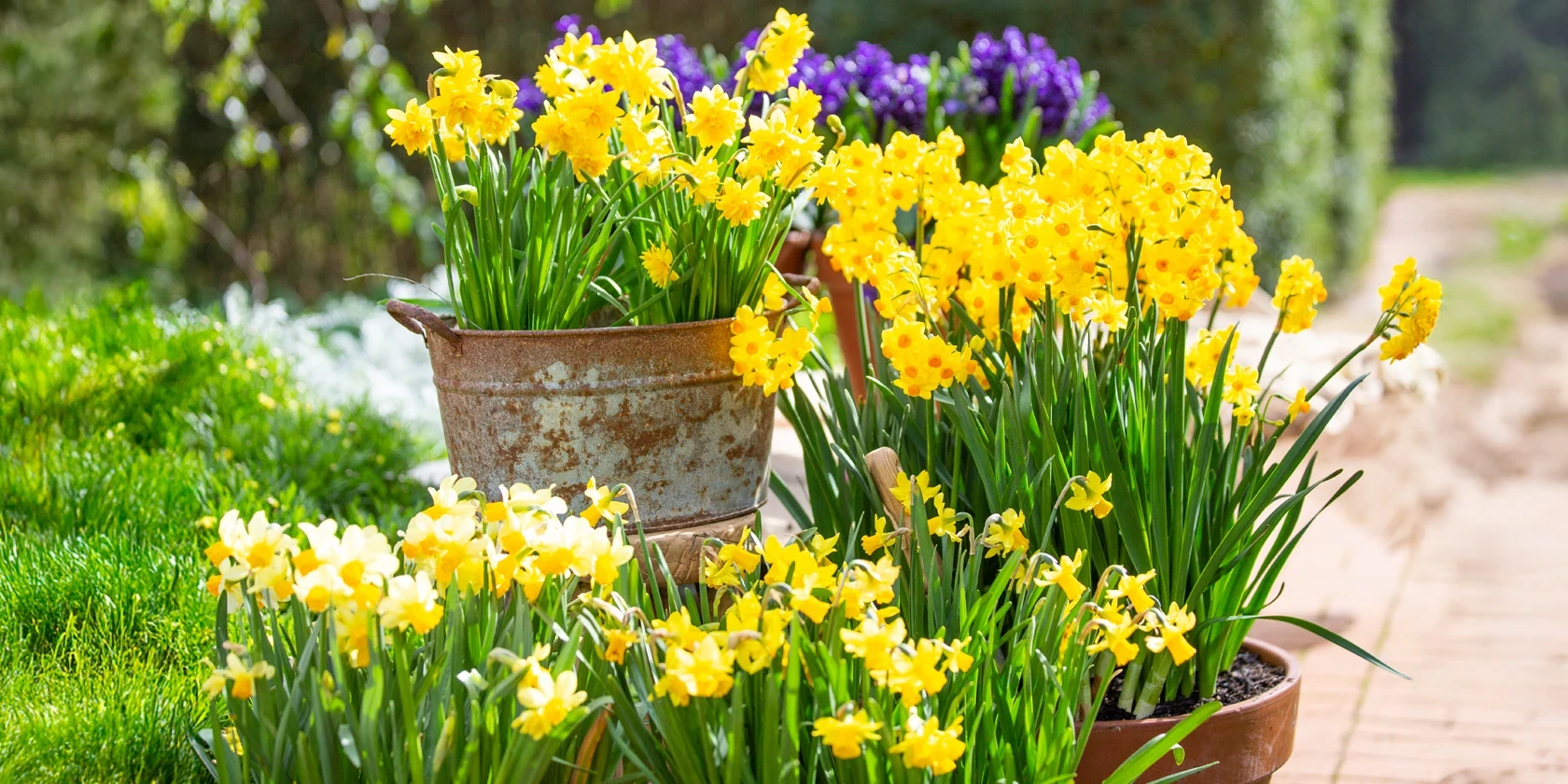
How to plant and grow bulbs
Spring flowering bulbs are easy to grow, and most bulbs have similar requirements, so that once you understand the basics, you can grow almost any bulbs with ease. Read on to find out how best to plant and grow your Spring Flowering Bulbs.
When to plant bulbs
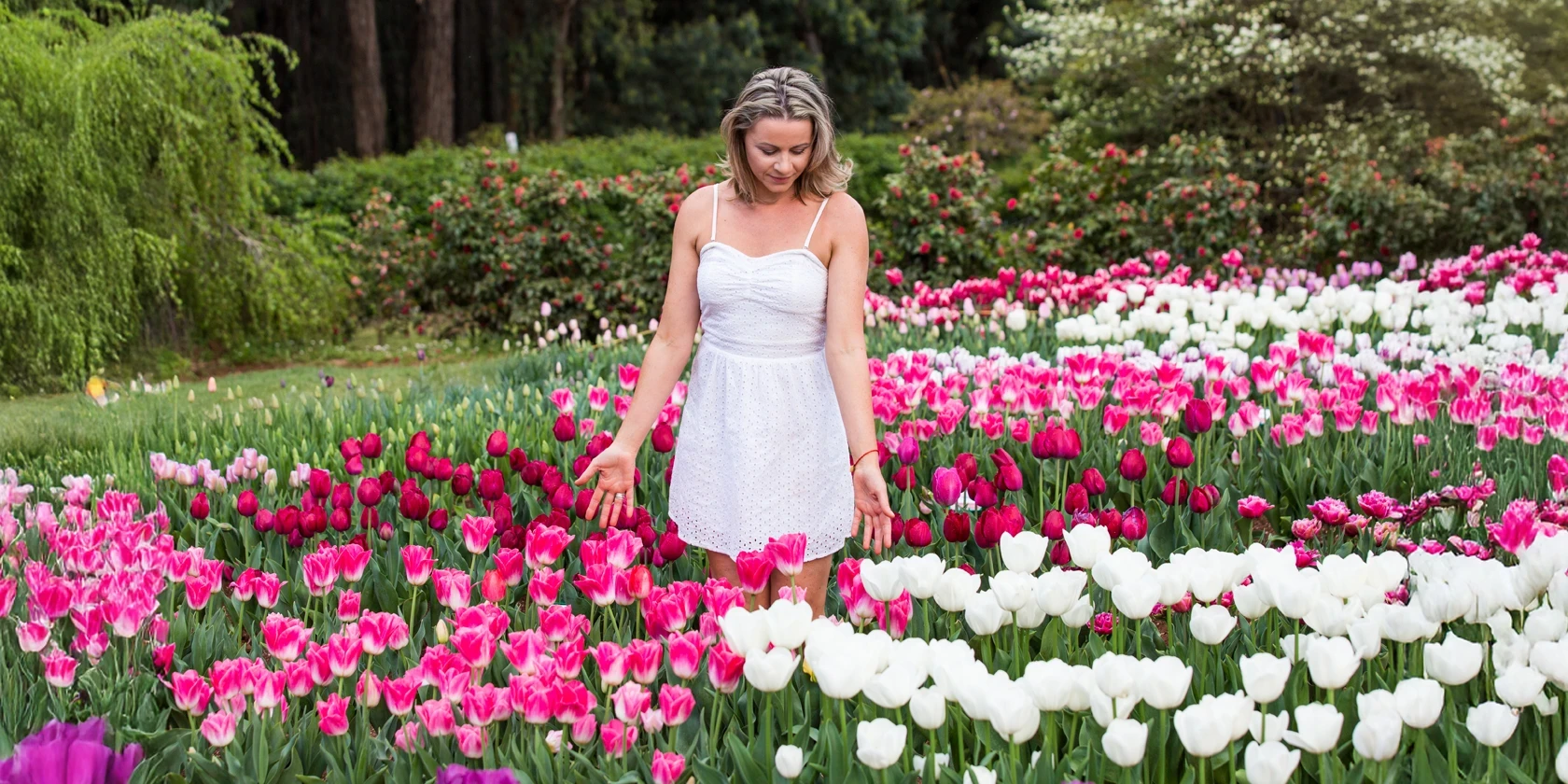
For best results, the best time to plant your spring-flowering bulbs is the period between April and May (in Australia). This allows both the weather and the soil to cool.
Bulb planting depth and spacing
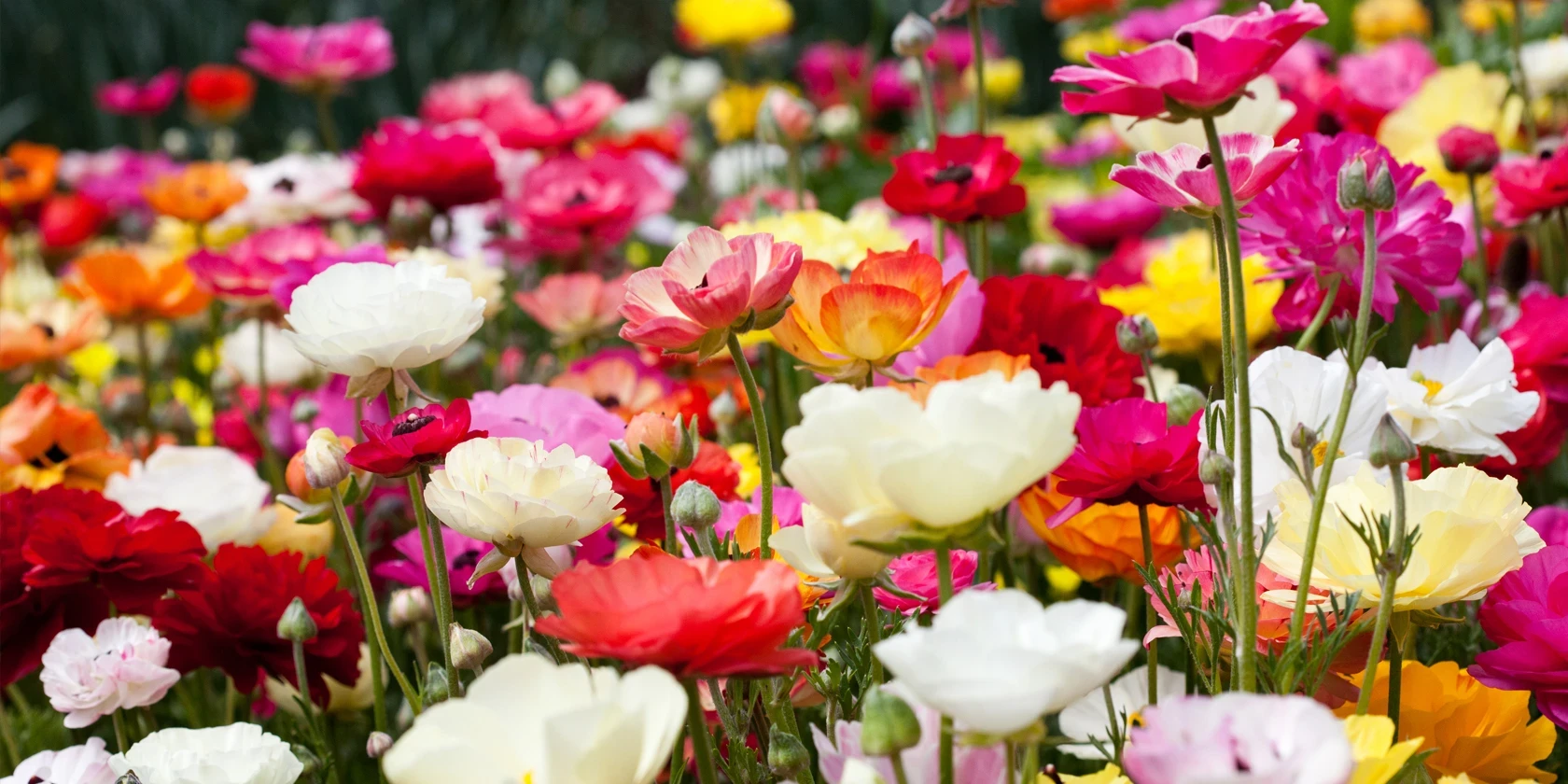
Most bulbs are planted twice as deep as the bulb is high/tall and the same distance apart. The pointed end of the bulb should be upwards. (Anemone & Ranunculi are the only exceptions). If you are unsure, you can always plant your bulb on its side, and it will always grow upwards!
Best Soil type for growing bulbs
Most spring-flowering bulbs are best planted in a freely draining soil. You can raise/mound up the garden beds to improve drainage. Alternatively, plant and grow your bulbs in pots if your soil is soggy.
Position
Most bulbs grow best in full sun to light shade. Generally, a heavier shade produces taller (and softer) stems. In warmer climates, most bulbs tolerate being planted in greater levels of shade.
Watering
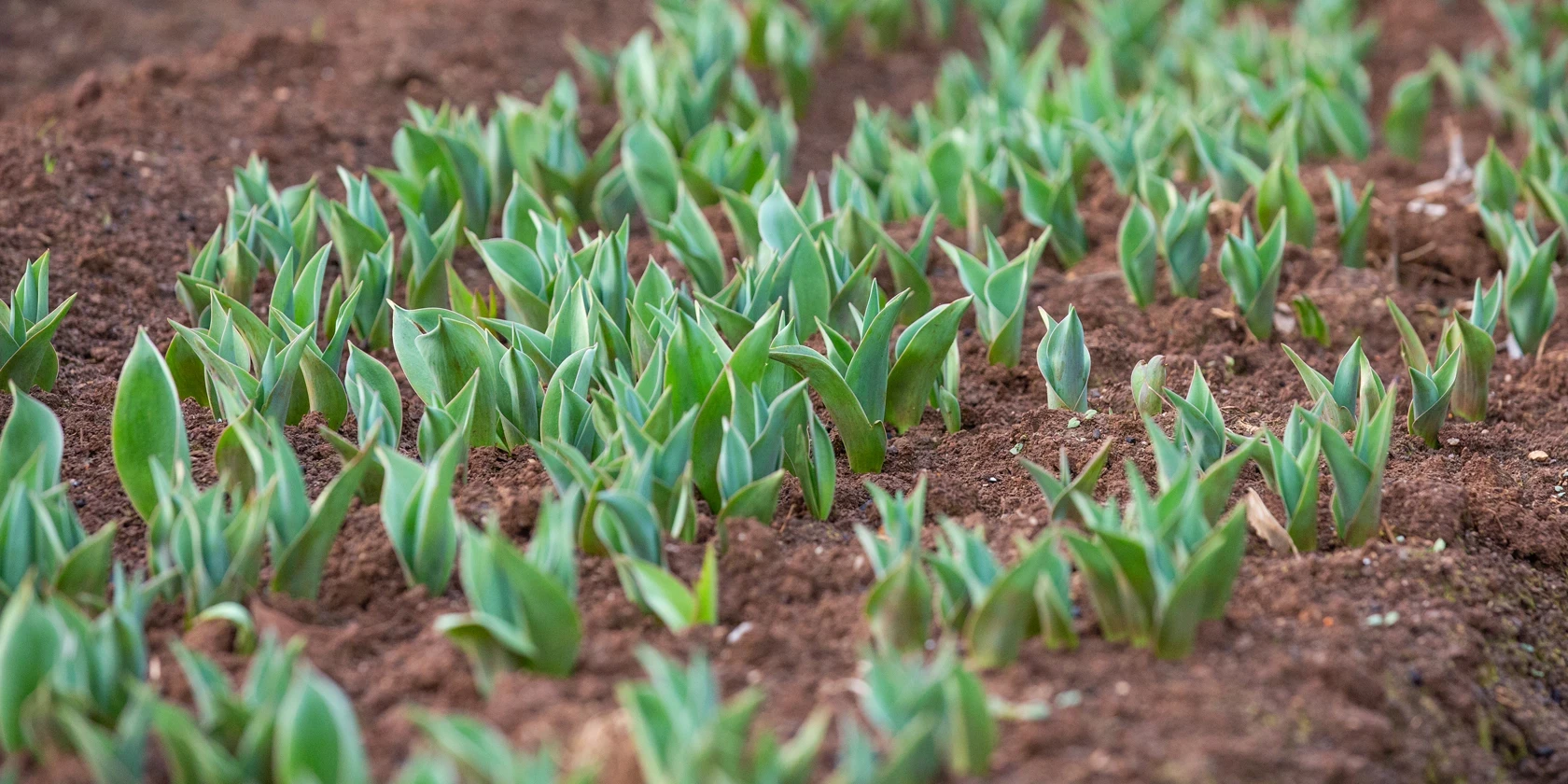
Most Spring bulbs like their soil kept moist while they are actively growing (from late Winter to early Summer) and reasonably dry while dormant. Therefore, start watering when green shoots appear and stop when foliage begins to yellow after flowering. If you experience high Summer rainfalls, dig the bulbs up in Summer and store them in a dry spot.
Feeding
A general rule of thumb is to top-dress all bulbs in autumn and water them in. Use a specialty bulb fertiliser or general fertiliser. Many bulbs grow better if a second dressing is applied straight after flowering, as this is when the bulb is taking in nutrients for next year’s flowers.
After flowering care
After flowering, it’s important that you continue watering and feeding the leaves as they are generating the energy the bulb requires to produce next year’s flowers.
Digging and storing your bulbs
Allow the foliage to die down before digging up your bulbs. Firstly, loosen the soil with a fork and gently pull up the bulbs by their stems. Allow the bulbs to dry in a cool, shaded area (not in direct sunlight). Once dry, clean excess dirt and remove old flower stalks. Try to leave the bulbs ‘skin intact, as this helps protect the bulbs. Store the bulbs somewhere cool (less than 25 °C), dry and airy until you replant the following Autumn.
To refrigerate or not to refrigerate?
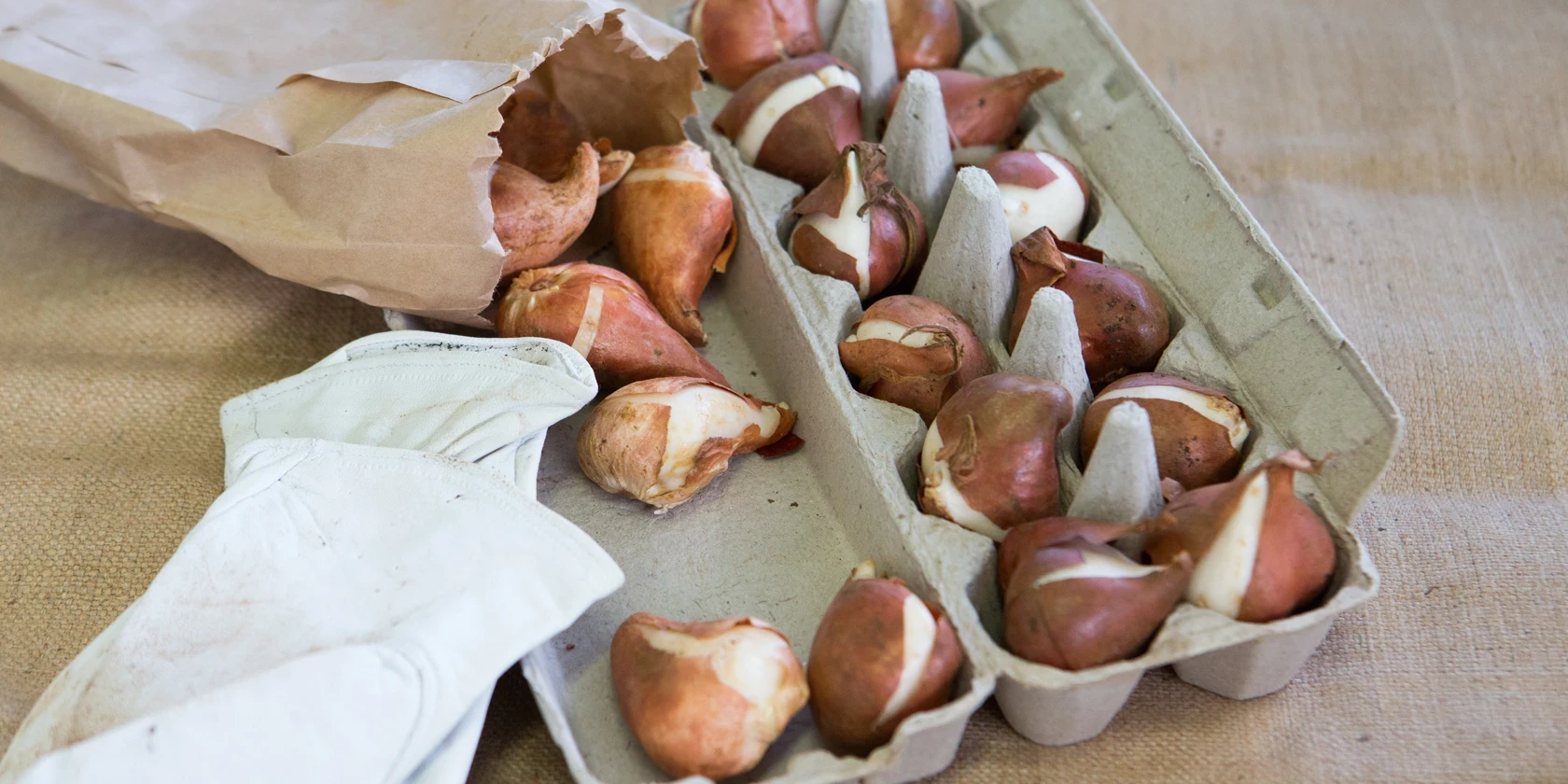
Tulip bulbs are the only bulbs that require 4-8 weeks in the crisper of the fridge before planting. DO NOT FREEZE THEM. An easy way to remember is to put your tulip bulbs in the fridge around April fool’s day, then plant your bulbs around Mother’s day.
Guidelines for planting your bulbs in pots
Keep the bulbs away from the outer edges of the pot, which get very hot.
Water regularly to keep soil slightly moist.
Plant the bulbs in the garden the following year, since most won’t flower in consecutive years in pots.