- Botanical Name
- Paeonia suffruticosa
- Plant Type
- Deciduous, small, woody shrub.
- Size (HxW)
- 30-150cm x 30-150cm
- Depth & Spacing
- Plant so the roots are below the soil – at the same level you can see it was previously, space 50-150cm apart. If you plant them a little deeper you will produce more side shoots so you can divide sooner, but you may delay flowering.
- Soil
- Prepare the soil with loads of well rotted chicken manure (or similar) and potash, digging to at least 40cm in depth. Add around plenty of Dolomite lime, they are endemic to limestone soils so it is impossible to give them too much. Also lime doesn’t dissolve easily, so the more the merrier, furthermore it is non toxic so won’t damage your soil and won’t spread laterally to bother neighbouring plants. Dig over well and leave for 1 week prior to planting. This will ensure plenty of food as well as good drainage. Tree Peonies require loads of feeding to flower at their best, and must have a high calcium magnesium content to grow successfully and Dolomite is a very good soil conditioner.
- Aspect
- Full sun in cool climates. Light shade in temperate zones. 4-6 hours of sun a day is best, though hot afternoon sun will cause the flowers to fade. Too much shade and they will be slow to grow and become leggy. Ideally they should be in an open sunny spot, away from the competition of roots from large trees (they are hungry and don’t like to fight for their nutrients) and with protection from strong winds.
- Climate
- Cool to Temperate
- Frost
- Hardy although new growth may be marked by late, heavy frosts, they are easily pruned off when the weather warms.
- Water
- Water to establish then keep moist when in flower. When first planted, be sure to give your Tree Peonies plenty of water, if their leaves start to droop, water them more. They will become dry tolerant once they established. If left to sit in water, they will rot. Watering should be on the soil, not the foliage otherwise fungus can occur.
- Fertiliser
- Tree Peonies do their root feeding during the coldest months of the year, while the plants are dormant. Top dress with a handful of chicken manure or similar, sulphate of potash and dolomite lime in winter, scratching them into the soil, then watering. An easy way to remember is to feed them Melbourne Cup Day and Anzac Day. If you add a seaweed tonic every couple of weeks in spring and summer you will improve flowering.
- Flowering Time
- Spring to summer. In the first year it is a good idea to pinch the buds off, this will focus the plant on establishing root growth. The next year let the flowers open, the third year you will be astounded by the show! After Flower Care: Remove spent flowers and foliage to tidy. Once the plant is established, after a few years, prune out the soft growth and leave around 6-10 of the best branches to create an open structure, allowing sunlight to penetrate and good air flow.
- Notes
- Plants may require staking while they establish, once settled in, it can be removed. First flowers may not be true to size and colour, do not be disappointed, allow one or two seasons for them to develop. In autumn it is good practice to remove the fallen leaves from underneath the plant to avoid disease – they may contain mildew spores which will endure and cause damage in spring. Remove old or broken branches as required.
Tree Peony
Shop Tree Peony
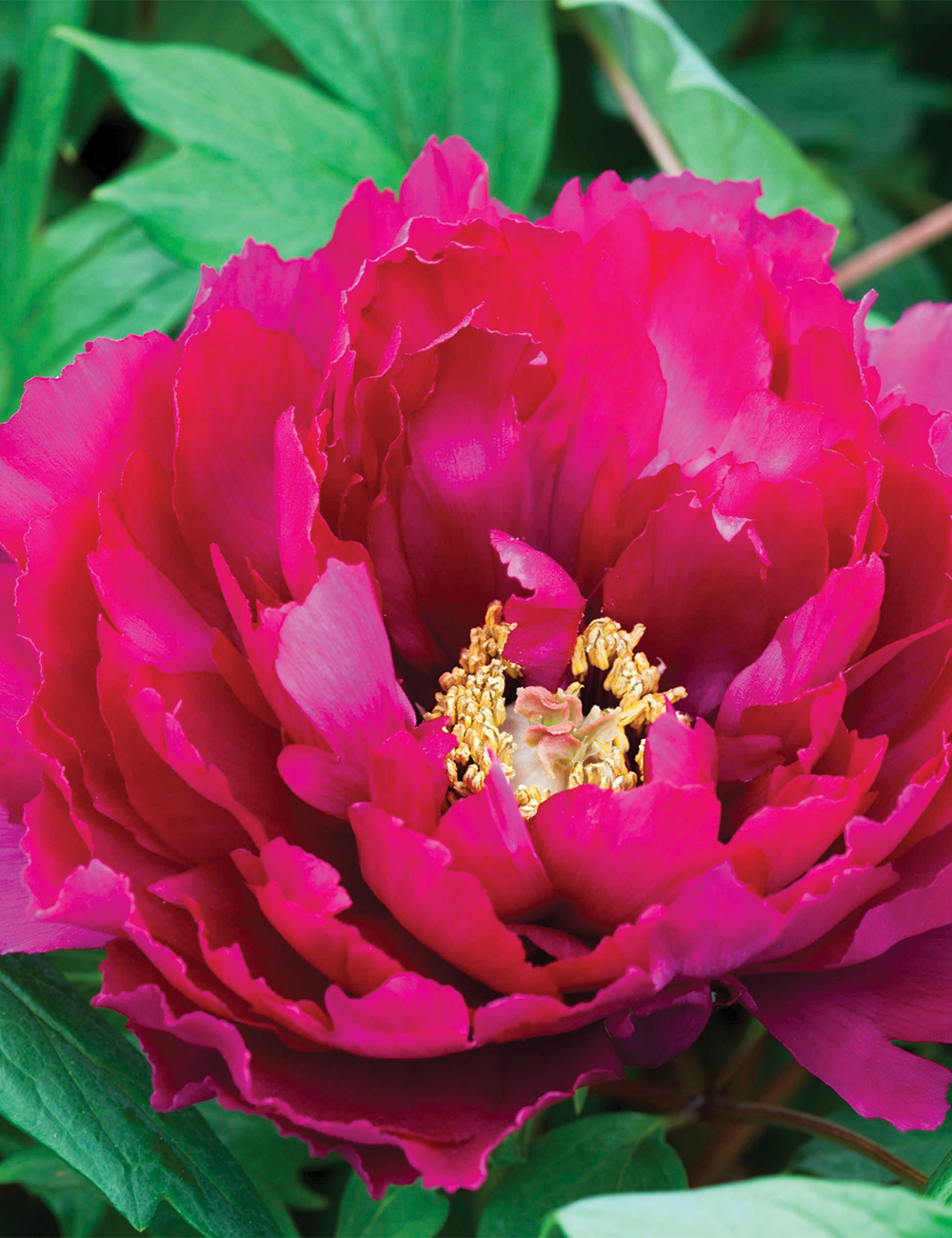
Tree Peony 'Shimadaijin'
Tree Peony 'Shimadaijin'
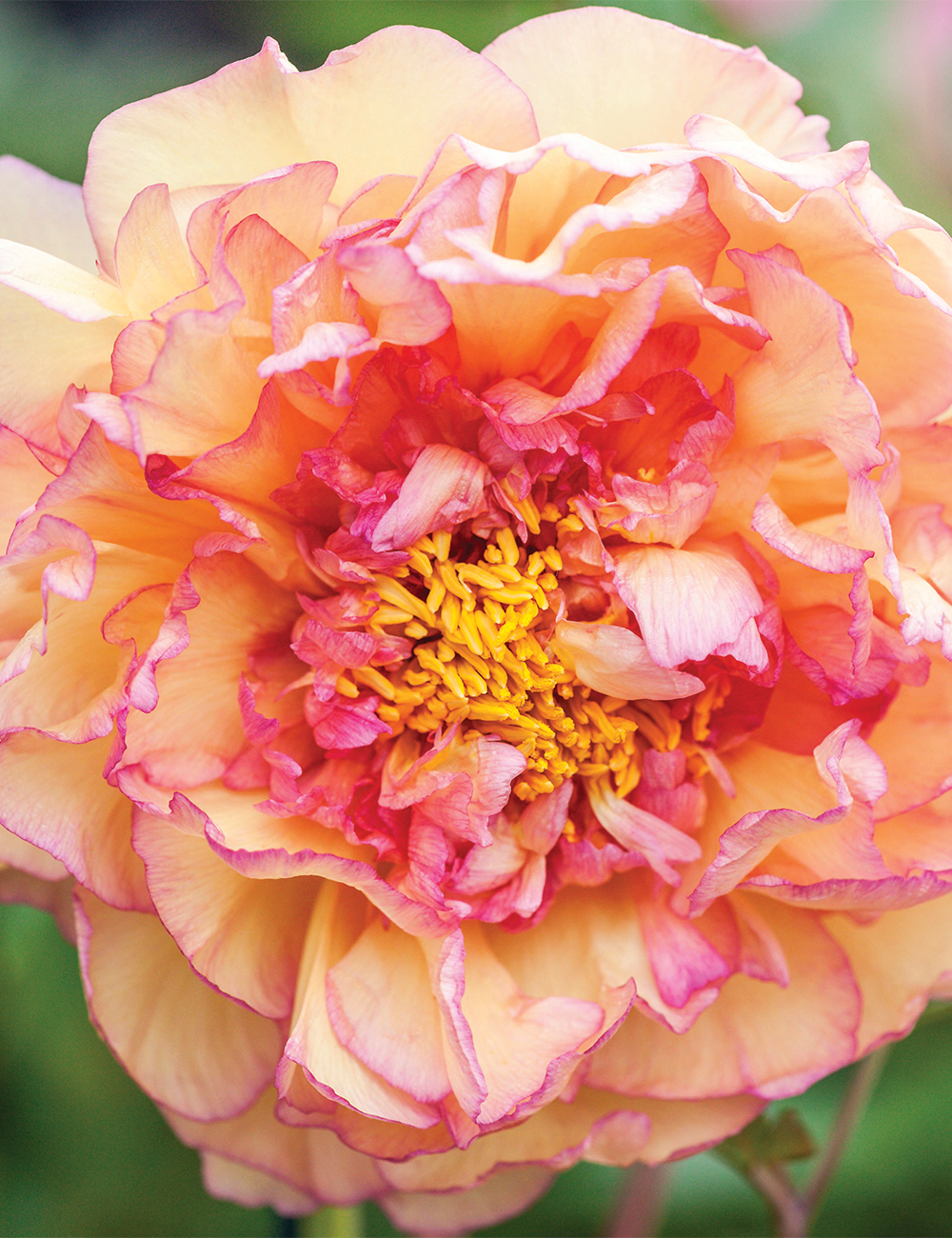
Tree Peony 'Souvenir de Maxime Cornu'
Tree Peony 'Souvenir de Maxime Cornu'
This product is currently out of season.
Tree Peony 'Etienne de France'
Tree Peony 'Etienne de France'
This product is currently out of season.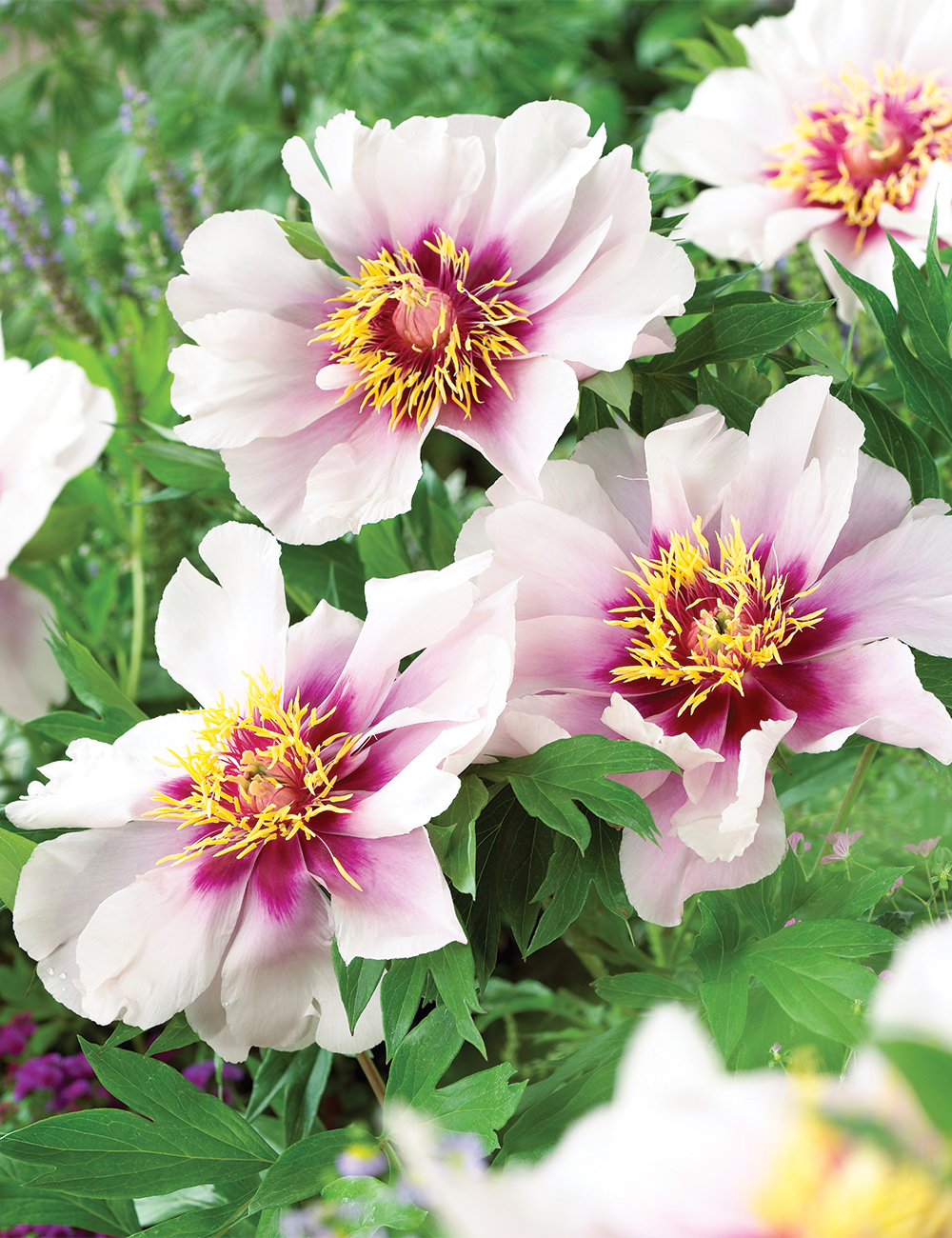
Tree Peony 'Destiny'
Tree Peony 'Destiny'
This product is currently out of season.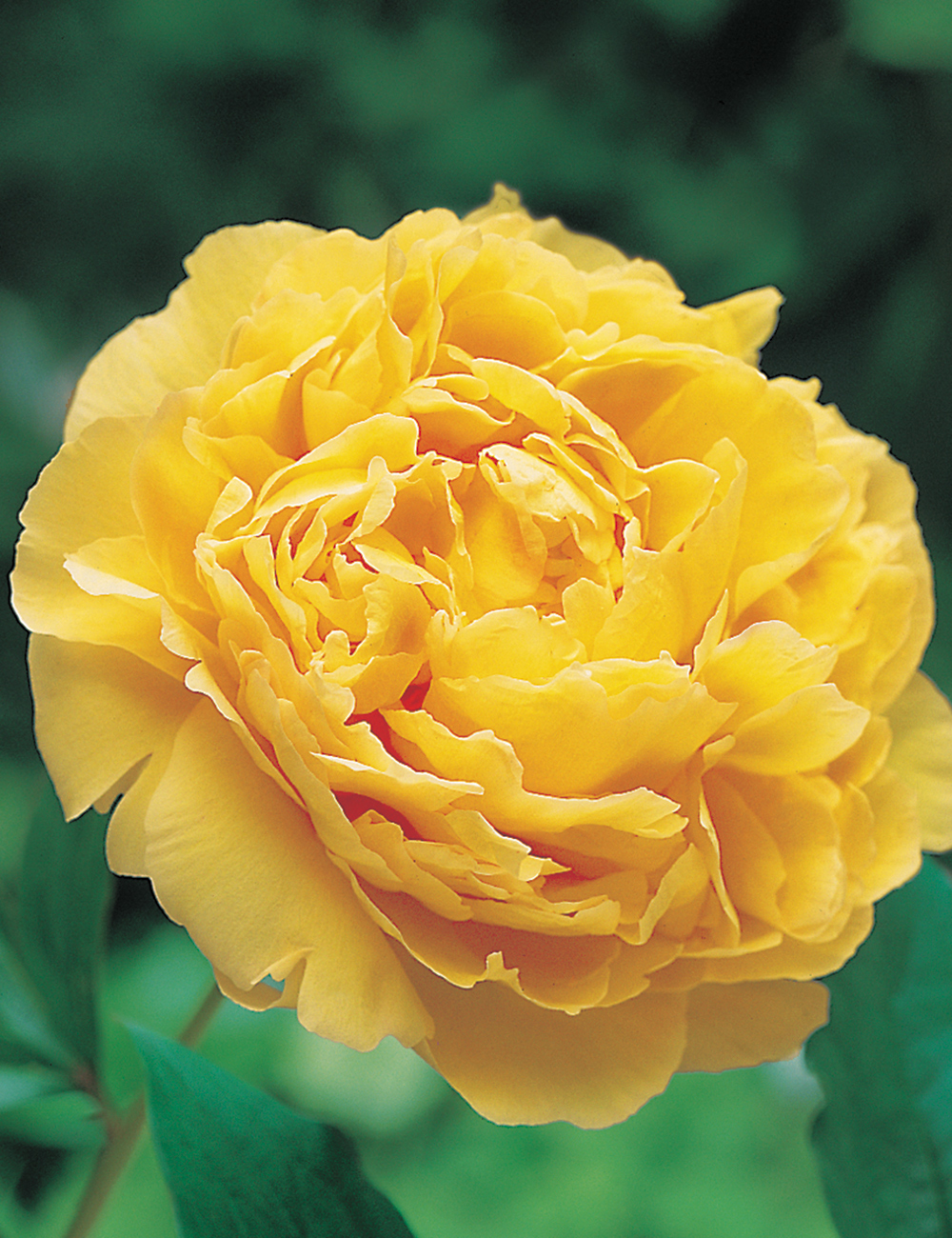
Tree Peony 'Alice Harding'
Tree Peony 'Alice Harding'
This product is currently out of season.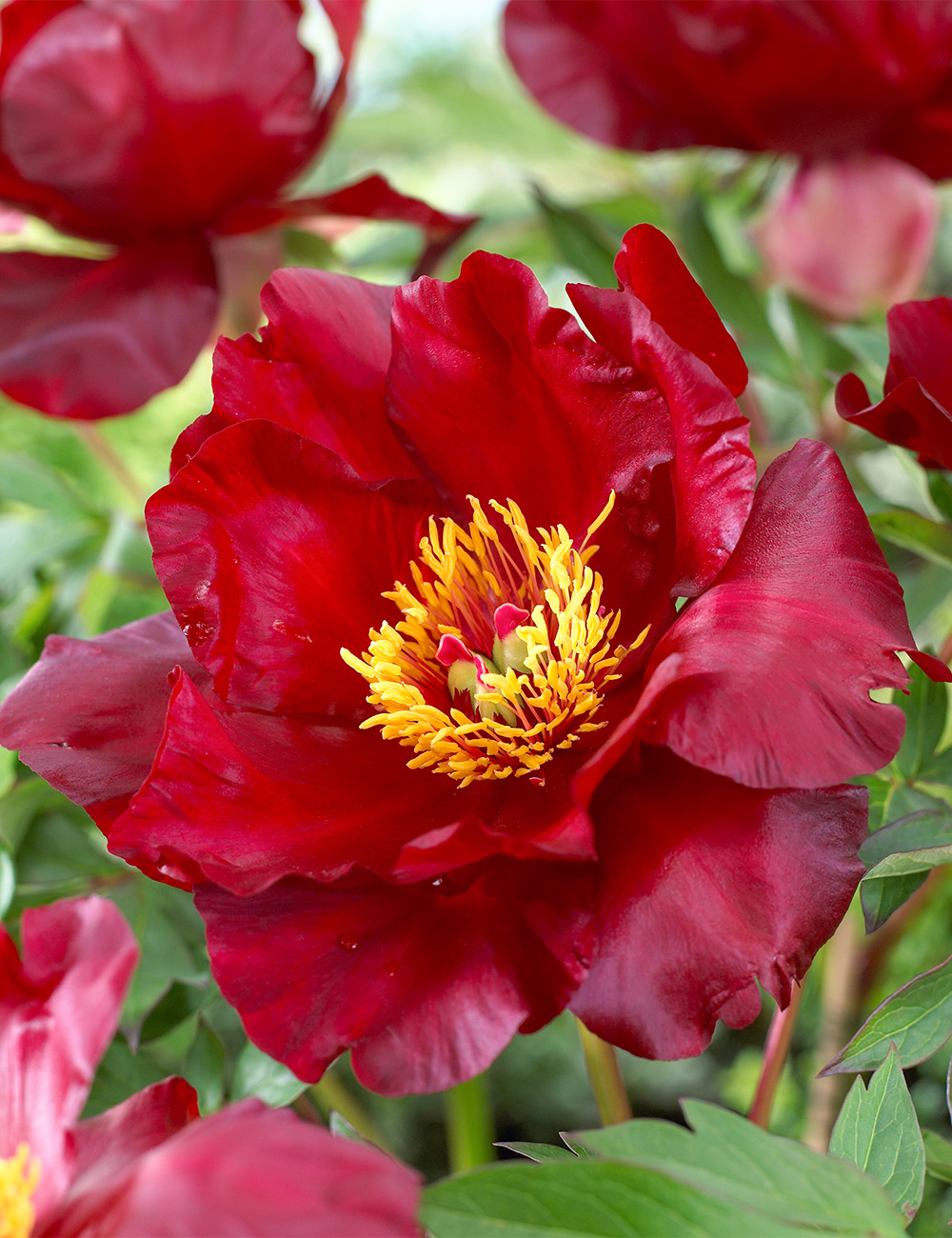
Tree Peony 'Hephestos'
Tree Peony 'Hephestos'
This product is currently out of season.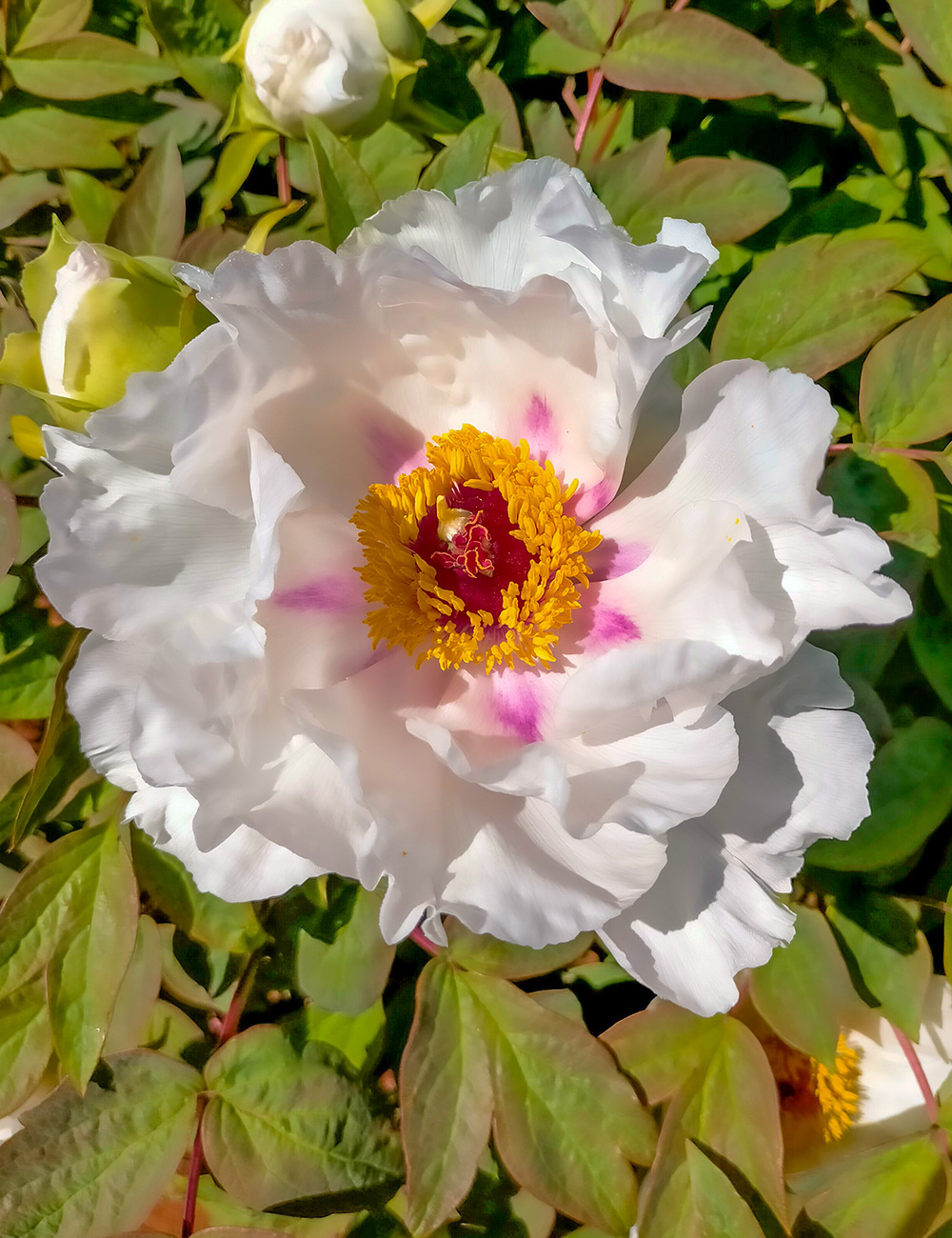
Tree Peony 'Hakuoh Jishi'
Tree Peony 'Hakuoh Jishi'
This product is currently out of season.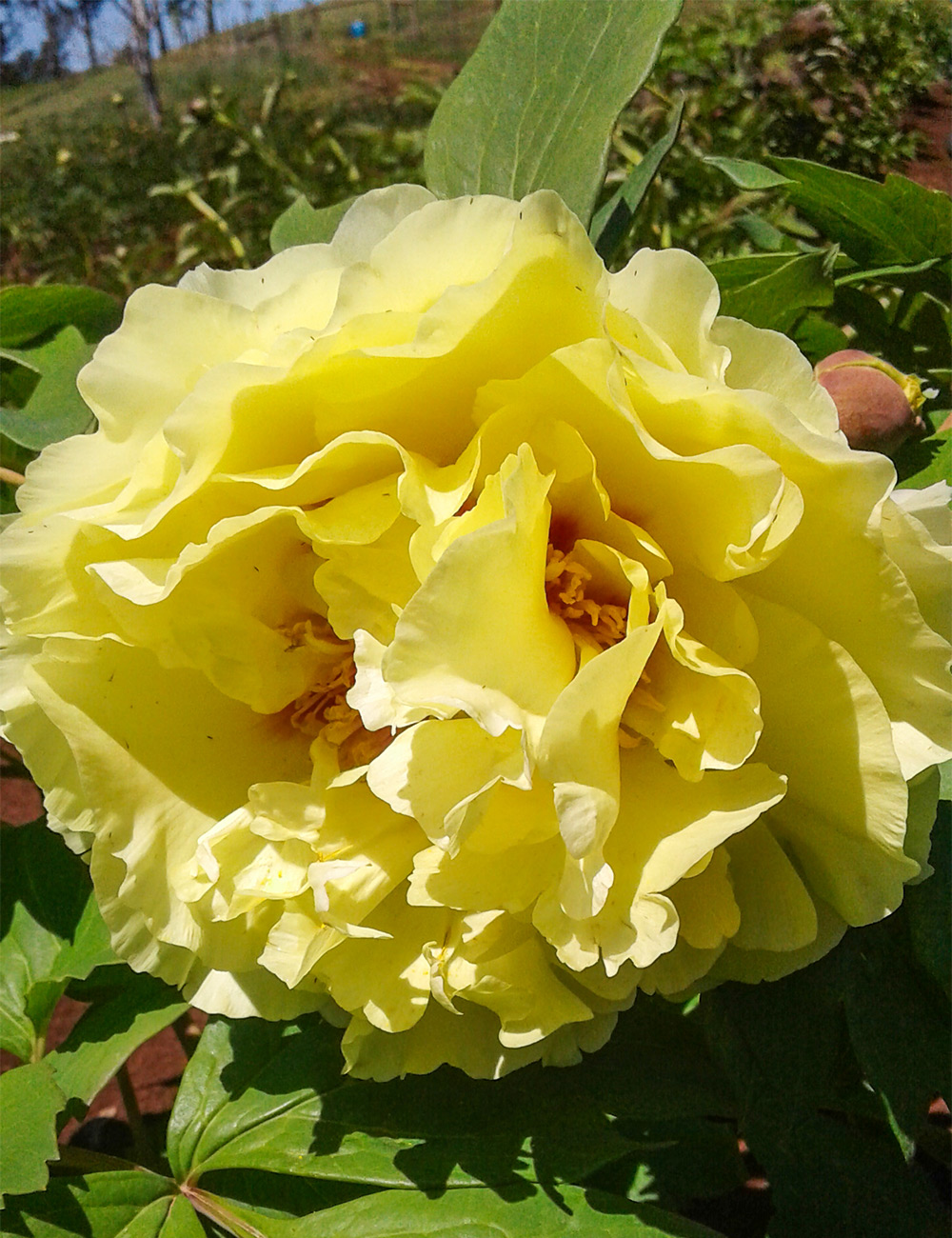
Tree Peony 'Arcadia'
Tree Peony 'Arcadia'
This product is currently out of season.Tree Peony 'Mikasayama'
Tree Peony 'Mikasayama'
This product is currently out of season.Tree Peony 'Futakami-Shigure'
Tree Peony 'Futakami-Shigure'
This product is currently out of season.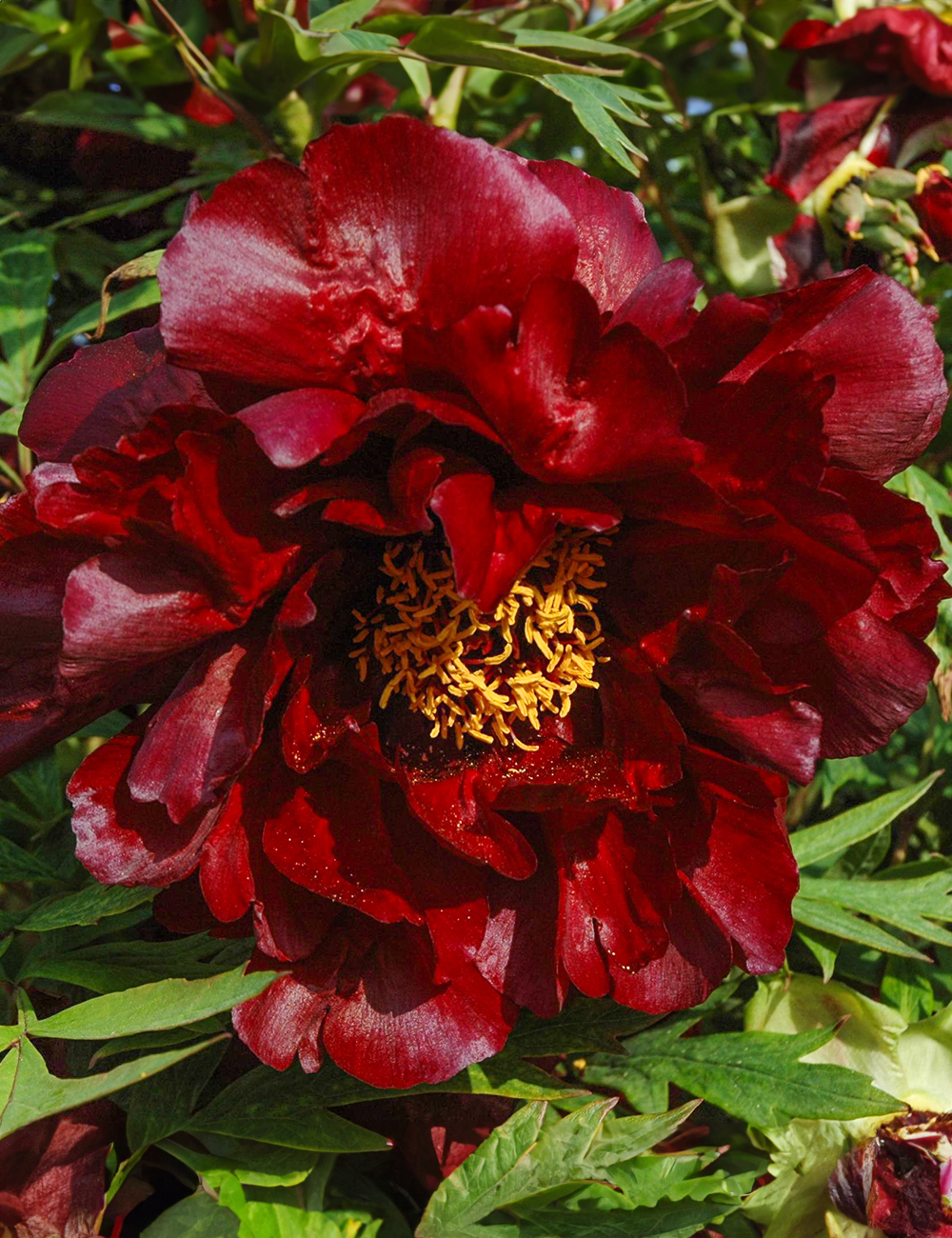
Tree Peony 'Black Panther'
Tree Peony 'Black Panther'
This product is currently out of season.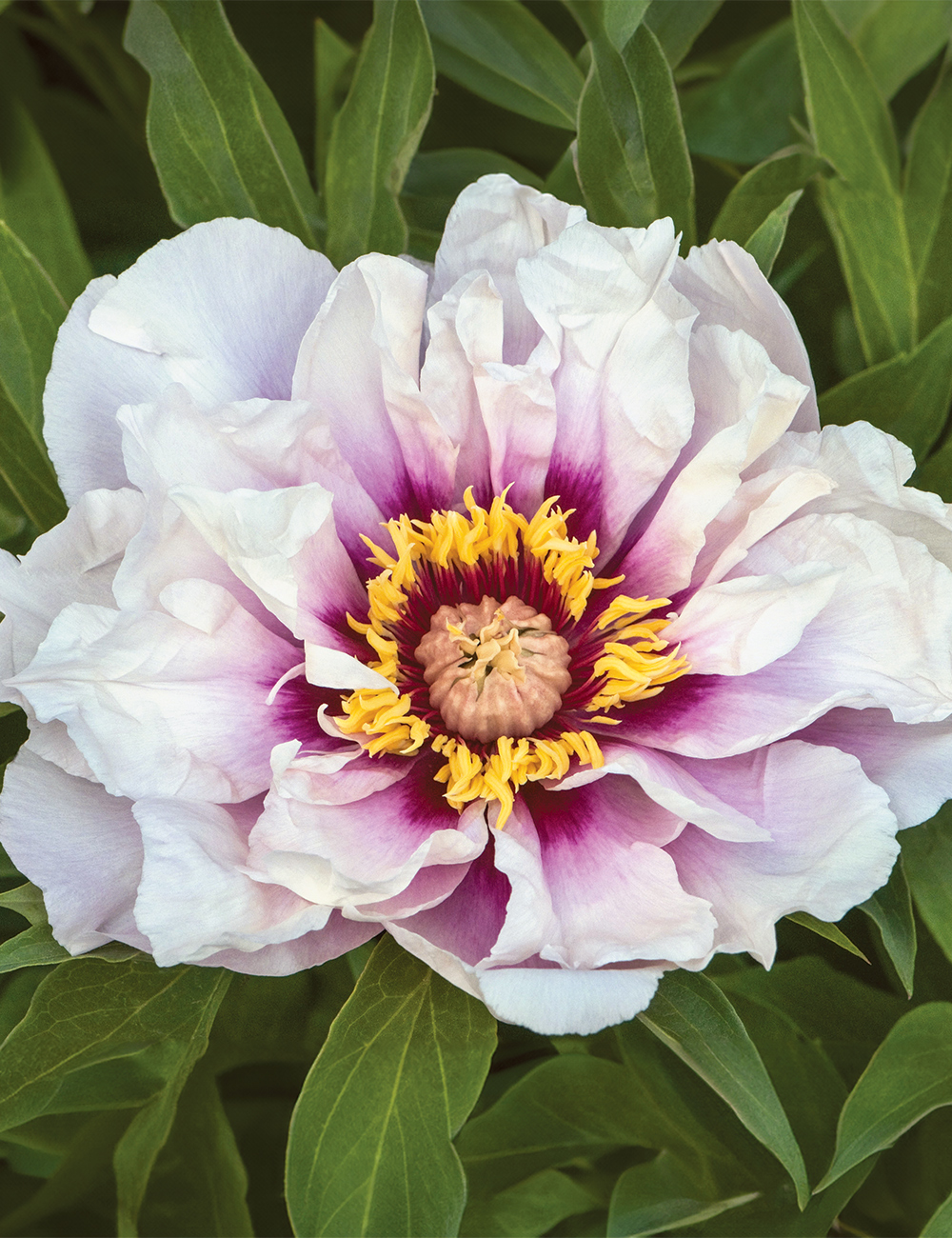
Tree Peony 'Ice Age'
Tree Peony 'Ice Age'
This product is currently out of season.