- Botanical Name
- Phlox paniculata
- Family
- Polemoniaceae
- Plant Type
- Herbaceous perennial
- Size (HxW)
- 60-90cm x 30-60cm
- Depth & Spacing
- Plant where the roots meet the stem with the roots spread evenly below the soil surface. Space 30-60cm apart.
- Soil
- Humus rich, moist, well drained soil is ideal. Improve soil conditions by adding organic matter and compost prior to or at the time of planting.
- Aspect
- Full sun to semi shade, shelter from the hot afternoon sun.
- Climate
- Cool to Mediterranean
- Frost
- Hardy
- Water
- Water to establish, it takes 4-6wks for the roots to penetrate the surrounding soil and establish, then keep moist in active growth. Ideally, water the ground, not the foliage.
- Fertiliser
- For best flowers it is a good idea to add some fertiliser as they are gross feeders. Fertilise when the foliage appears in spring and again when they start to flower in summer.
- Flowering Time
- Summer to autumn
- After Flower Care
- To prolong the flowering, dead head spent blooms as you go. Or, after the first flush, remove the stems to about a quarter, add some fertiliser and water it in, you will have another bloom season in no time.
- Notes
- This plant is great as a cut flower and an excellent addition to a cottage garden. Mulch in spring to help with water retention. If powdery mildew occurs, cut the foliage off and dispose of it then add some fertiliser, they have a strong natural resistance and, unlike other Phlox, even if they are affected by mildew, they will still flower. Dig and divide every three or four years to keep them vital.
Phlox
Shop Phlox

Volcano Phlox Collection
Volcano Phlox Collection
This product is currently out of season.Perennial Phlox 'Famous White'
Perennial Phlox 'Famous White'
This product is currently out of season.Perennial Phlox 'Famous Pink'
Perennial Phlox 'Famous Pink'
This product is currently out of season.Perennial Phlox 'Famous Purple'
Perennial Phlox 'Famous Purple'
This product is currently out of season.Perennial Phlox 'Famous Cerise'
Perennial Phlox 'Famous Cerise'
This product is currently out of season.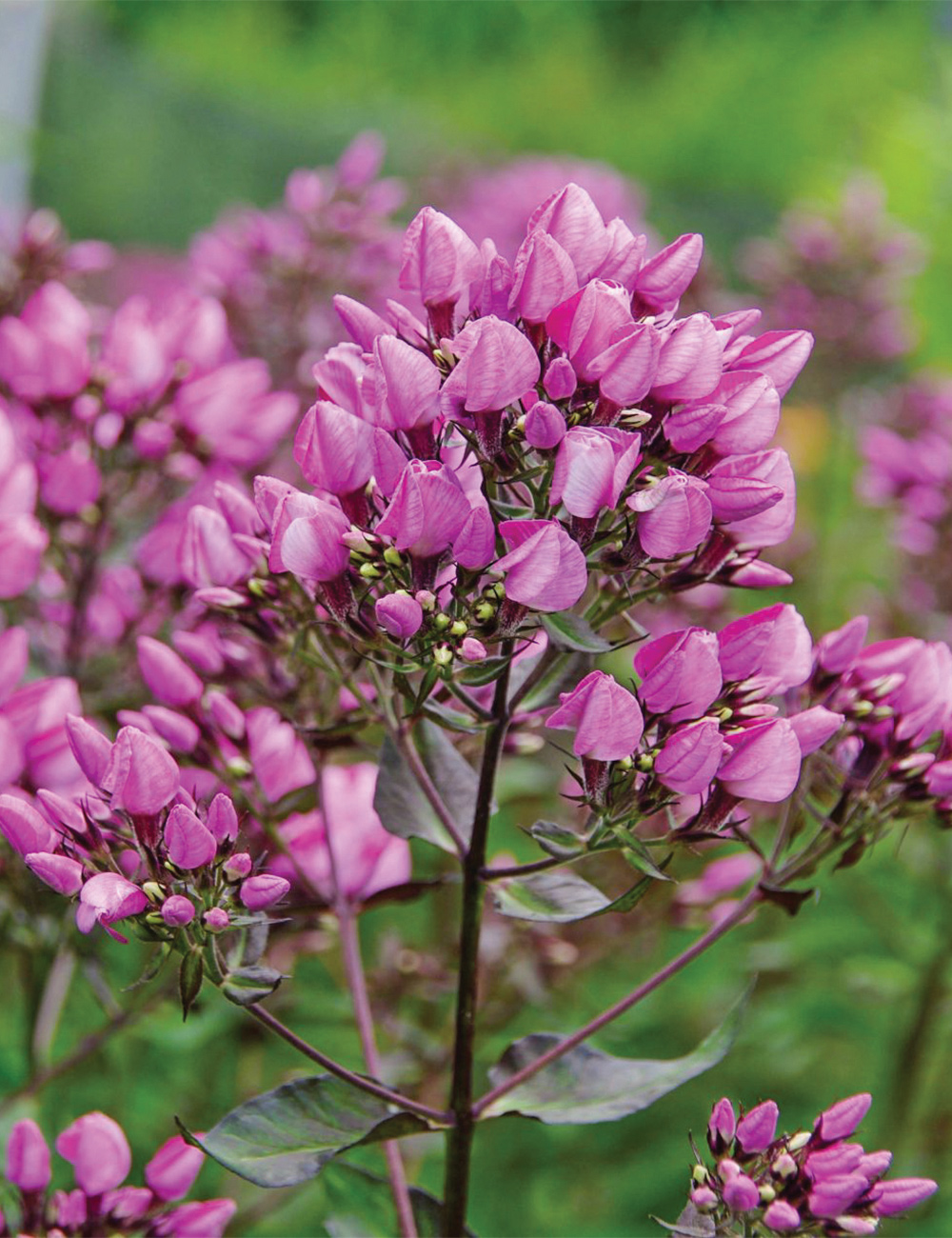
Phlox 'Butonik'
Phlox 'Butonik'
This product is currently out of season.Phlox 'Monica Lynden-Bell'
Phlox 'Monica Lynden-Bell'
This product is currently out of season.Volcano Phlox 'Pink with White Eye'
Volcano Phlox 'Pink with White Eye'
This product is currently out of season.Volcano Phlox 'Purple with White Eye'
Volcano Phlox 'Purple with White Eye'
This product is currently out of season.Volcano Phlox 'Pink with Red Eye'
Volcano Phlox 'Pink with Red Eye'
This product is currently out of season.